More than 1,000 fifth- through 12th-grade students explored a variety of science, technology, engineering, arts and mathematics (STEAM) subjects this summer. With an increase in participation from middle and high school students, expanded learning programming met high demand, with 15 classes reaching capacity. It was a summer fueled by passion, curiosity and STEAM.
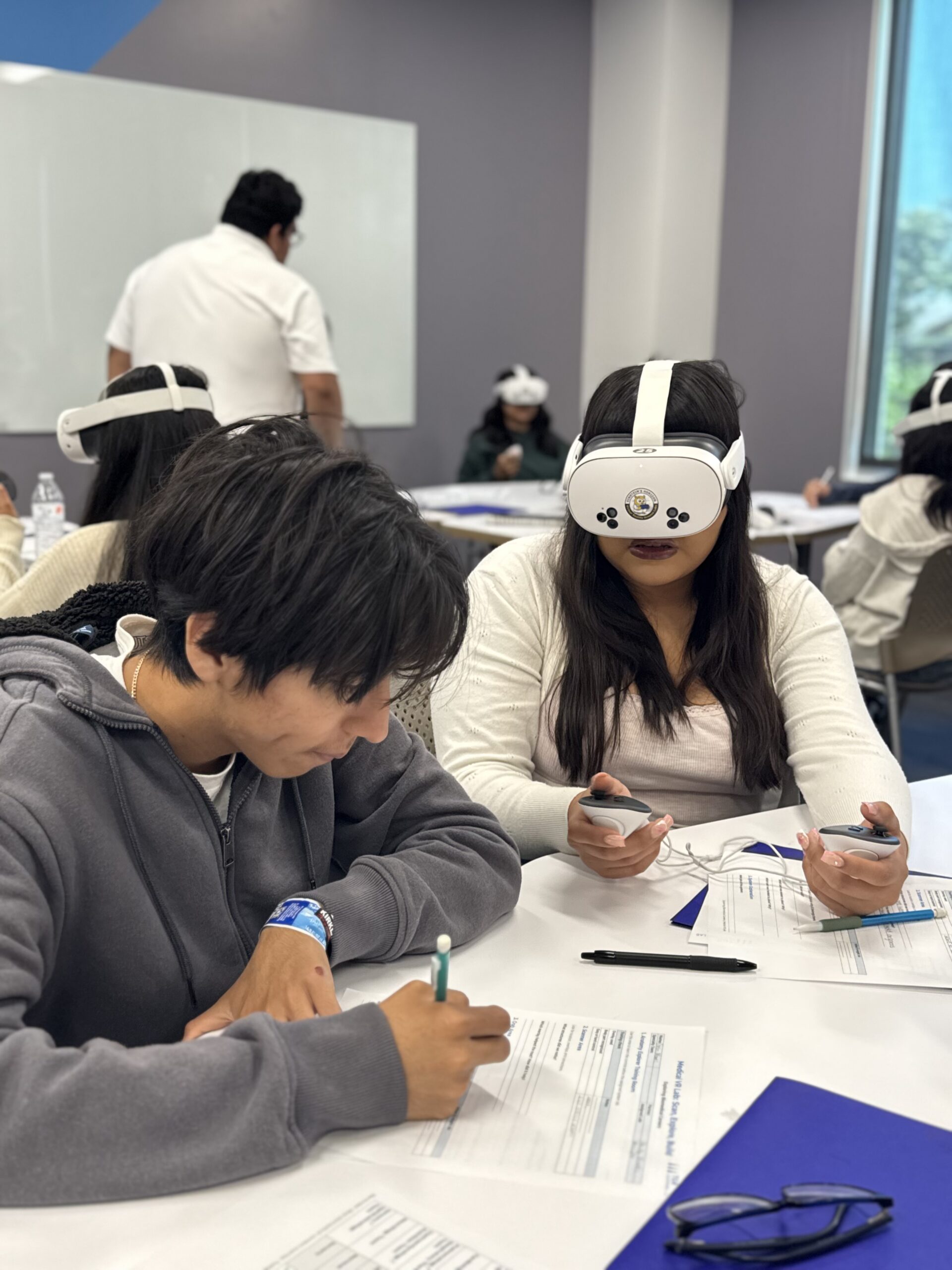
Our STEAM programming broke new ground with the introduction of new classes. Students dove into the world of engineering, learning about design processes and solving challenges while completing projects such as creating a bridge structure. Students also ventured into biomedical careers, where they embarked on an immersive learning experience of human anatomy through virtual reality (VR) headsets.
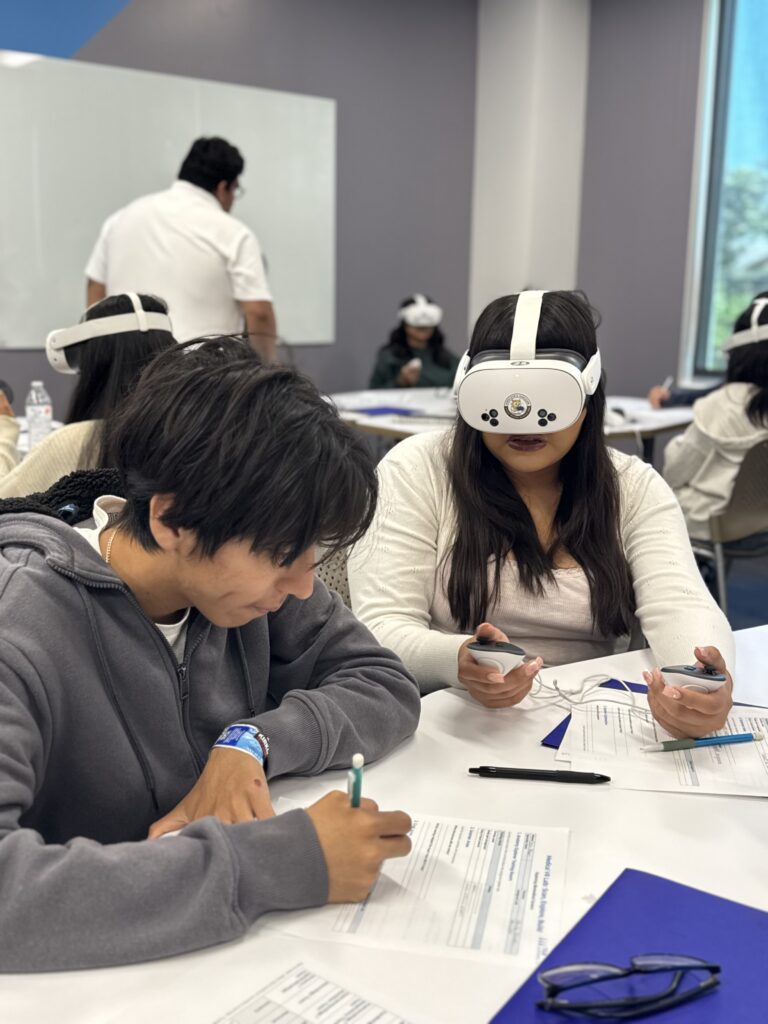
“Students enjoyed it, being able to see what you learn and being able to touch, grab, zoom into the actual function of the heart beating…the animation aspect, for them it’s very useful and part of their learning,” said Doug Luong, Director of Programs. With plans to incorporate VR headsets in more classes like engineering and robotics, the Learning Lab looks forward to pursuing the incorporation of more innovative technology with hands-on learning to enhance our education programs.
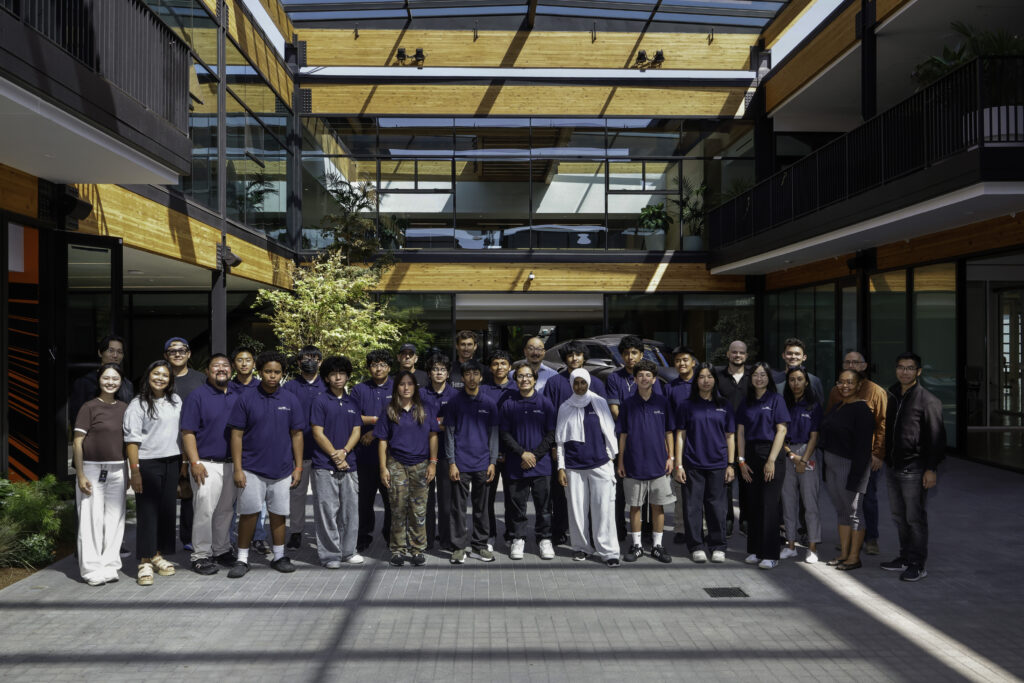
Beyond the STEAM courses, high school students also participated in a variety of college and career readiness experiences including industry and college tours to notable universities and businesses including 2K, Snap Inc, Blue Robotics and Genesis Design California.
“I can apply what I learned from Genesis Design California industry visit to my interest in robotics like how they used 3D printers and clay models to design their cars,” said Emily, an incoming Buena Park High School senior. “I thought it was interesting how they figure out the trends for the colors of the cars and how they also predict which colors would be trendy in the future.”
Students also embraced their creativity in new classes such as Do It Yourself (DIY) Art Studio and Maker Studio. From designing t-shirts and creating art using cotton swab pointillism to learning hand-sewing, embroidery and crocheting, students completed every project in focus and creative inspiration.
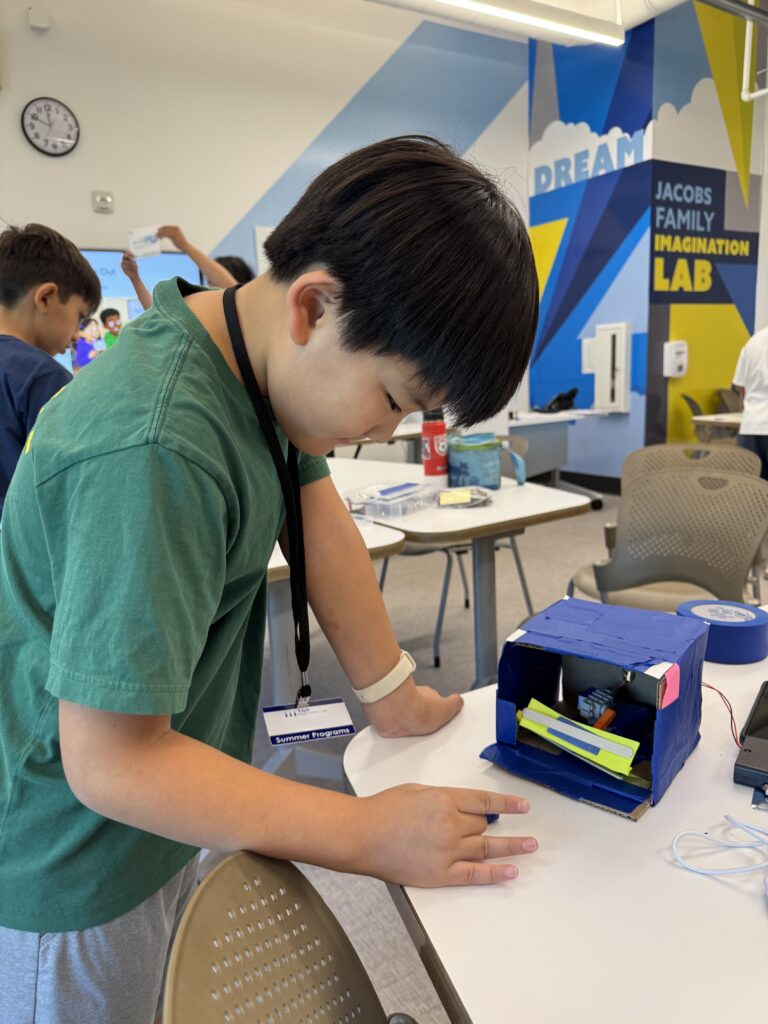
Another new class, Micro:bit Circuit Coders Challenge, challenged students to think outside the box, combining circuitry and creativity. Students learned the hardware of circuit boards and used wire to connect to different parts, such as an LED light or a motor to program. Through this process, students created an animatronic project such as a jack-in-the-box and a soccer goalie. Having taught one Micro:bit class, Luong was “amazed by their imagination and creativity.”
Learning Lab instructors taught summer classes with dedication, diligence and enthusiasm. When asked about qualities that stand out about the team of instructors, Luong highlighted “their creativity and collaboration; they work well together, their teamwork; they support each other and their understanding; they easily connect with students and can build rapport. Students will purposely take a class because of the instructor.”
In taking classes at the TGR Learning Lab, students also take with them newly built confidence, memorable hands-on learning experiences and lasting instructor impact that helps pave the journey to success.
For more information on programs and opportunities to support students, visit Anaheim.TGRLearningLab.org.